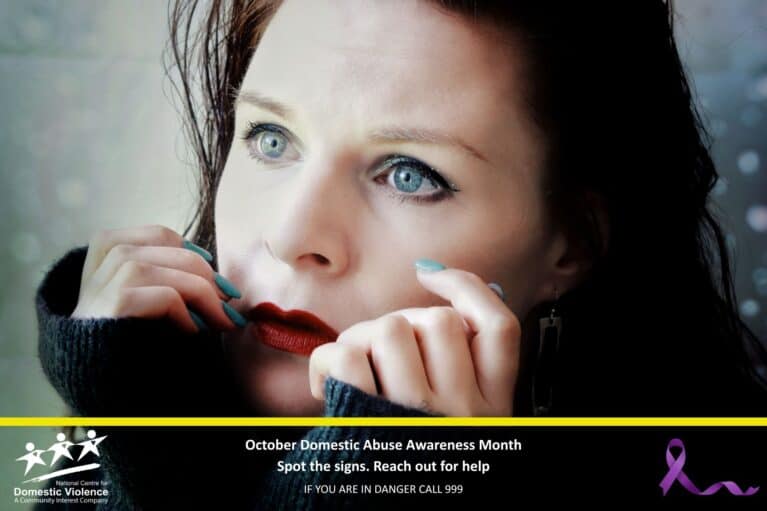
When Hot Weather Casts a Dark Shadow
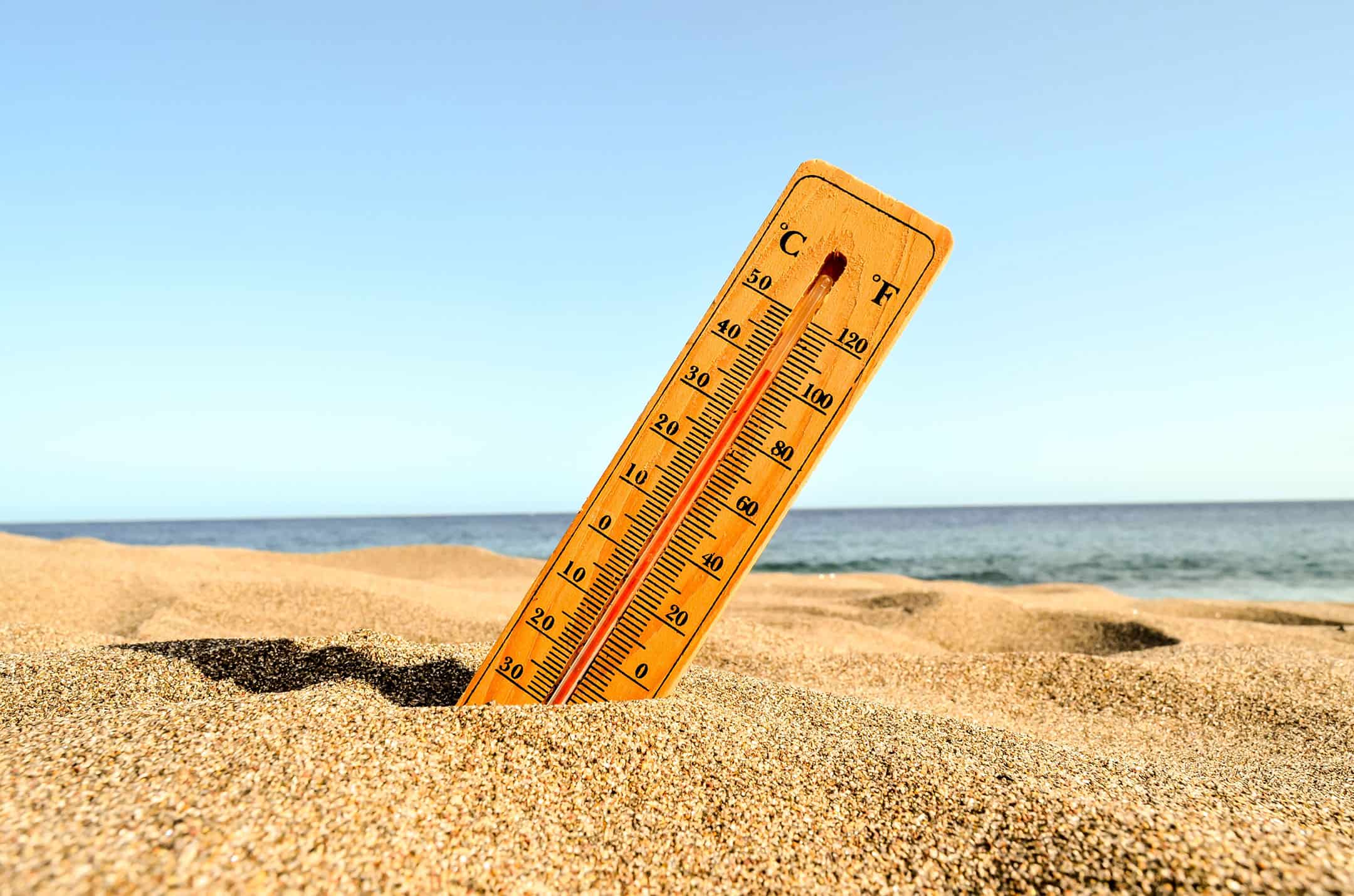
For many of us, warm weather invites us to spend time in the garden or the local park. We enjoy barbecue dinners as the evening begins to cool, and children enjoy carefree hours splashing in a paddling pool. Sunshiny days bring opportunities for some much-needed fun, rest and time together. After all, we spend long enough in the darker months, so it can feel good to open the doors, spend more time outside and enjoy the weather.
We also know that hot weather brings risks. Public health messages rightly remind us to drink plenty of water, avoid overheating, check on vulnerable relatives and neighbours, and keep babies, children, older people and pets safe.
But there is another, less widely discussed risk associated with periods of unusual heat. It is a risk that casts a long shadow over families already living with aggressive or controlling behaviour.
What does the research tell us?
A growing body of international research has found an association between higher temperatures, heatwaves and increased reports of domestic abuse and intimate partner violence.
A study examining heatwaves in Madrid found increases in police reports of intimate partner violence, calls to a specialist domestic abuse helpline and intimate partner femicides following periods of extreme heat. The increases did not all happen immediately. Reports rose the following day, while calls to the helpline and the risk of fatal violence increased several days after the heatwave began. 1
A large study involving almost 194,871 partnered women in India, Pakistan and Nepal also found an association between higher average temperatures and increased prevalence of physical, sexual and emotional intimate partner violence.2
Although further research is needed, particularly within the UK, the available evidence suggests that extreme heat can act as a risk amplifier in homes where abuse, control and aggression are already present.
Why might risk increase during hot weather?
Extreme heat can place additional pressure on individuals and households. It can disrupt sleep, increase exhaustion and irritability, and make it harder to regulate emotions. Families may spend longer periods together at home, particularly when it is too hot to travel, work, exercise or follow their usual routines.
Financial pressure may also increase if families are trying to keep homes cool, children are away from school or working arrangements are disrupted. Alcohol consumption can rise during barbecues, sporting occasions and summer social events.
We know, of course, that none of these things directly cause domestic abuse.
Many of us become tired, uncomfortable or irritable in extreme heat without frightening, controlling or harming anyone. Many people drink alcohol without becoming abusive. Domestic abuse is rooted in power, control and entitlement. Responsibility always rests with the person choosing to abuse.
However, where domestic abuse already exists, heat, disrupted sleep, alcohol, and increased time together may contribute to incidents becoming more frequent or more severe. An abuser may also use the weather itself as another means of control, perhaps preventing someone from leaving the home, restricting their access to water, shade or medication, controlling the use of fans or electricity, or refusing to allow children to play safely outside. This may be intensified for families who do not have access to a garden, fans or air conditioning units.
A heatwave may make an already unsafe home feel even more difficult to escape.
Look beyond the sunshine
For most families, the summer sunshine will bring happy memories, laughter and relaxation. But behind some closed doors, periods of extreme heat may intensify fear, control and danger.
As we remind one another to stay hydrated, keep cool and look after our health, let us also remember to look out for those who may not be safe at home.
A quiet message, phone call or invitation to spend some time in the garden can provide an opportunity for someone to talk. Try to make contact when the person is likely to be alone and able to respond safely. Do not confront a suspected abuser or pressure someone to leave before they are ready. Listen, believe them and help them explore specialist support.
You do not need to be certain that abuse is taking place before asking someone whether they are okay.
If you or someone you know is experiencing domestic abuse, specialist help is available. NCDV can help eligible victims and survivors obtain protective civil injunctions. Visit the NCDV website or contact us to find out how we may be able to help.
If you are in immediate danger, always call 999.
1Sanz-Barbero, B. et al. (2018) ‘Heat wave and the risk of intimate partner violence’, Science of the Total Environment, 644, pp. 413–419. doi: 10.1016/j.scitotenv.2018.06.368.
2Zhu, Y. et al. (2023) ‘Association of ambient temperature with the prevalence of intimate partner violence among partnered women in low- and middle-income South Asian countries’, JAMA Psychiatry, 80(9), pp. 952–961. doi: 10.1001/jamapsychiatry.2023.1958