Power Dynamics and Domestic Abuse: Where Do They Come From?

When we talk about domestic abuse, the term “power and control” is often used, but what does that really mean? And where do these power dynamics come from in the first place?
Understanding this helps us move beyond surface level explanations and towards a more complete picture of why abuse happens, and why it can affect anyone.
What Are Power Dynamics?
At its core, a power dynamic is about who has influence, control, or authority in a relationship.
Power isn’t just physical strength. It can include:
- Control over money or resources
- Emotional influence or manipulation
- Social status or reputation
- Authority within a role (such as a parent or partner)
In abusive relationships, these forms of power are often used to control, intimidate, or limit another person’s autonomy.
Where Do Power Structures Come From?
Power structures didn’t appear overnight. They developed over thousands of years as human societies evolved.
Early human groups were often relatively equal, but major changes came with the shift to agriculture around 10,000 years ago. As societies settled:
- Land and property became important
- Wealth could be accumulated and passed down
- Social hierarchies began to form
Over time, these hierarchies became embedded in laws, traditions, and institutions, shaping expectations about roles, authority, and relationships.
Are Power Structures Socially Constructed?
In large part, yes. While some differences between people are biological, the meaning we attach to those differences is shaped by society. Over generations, certain ideas become “normal,” such as:
- Who should lead or make decisions
- How men and women are expected to behave
- What power and authority should look like
These norms are learned, reinforced, and repeated, which is why they can feel natural even when they are not fixed or inevitable.
How Power Becomes Embedded
Power structures are reinforced in subtle but powerful ways:
- Socialisation: From childhood, we learn roles and expectations through family, school, and media
- Cultural messages: Narratives about strength, gender, and relationships shape behaviour
- Institutions: Legal, economic, and social systems can reinforce patterns of inequality
- Internal beliefs: People begin to accept and reproduce these patterns in their own lives
This is why power structures can persist, even when society begins to question them.
What This Means for Domestic Abuse
Domestic abuse is not simply about who holds power in society. It is about how power is used within a relationship. While broader social structures (including gender norms) can influence expectations, the reality is:
Power within relationships is situational, not fixed.
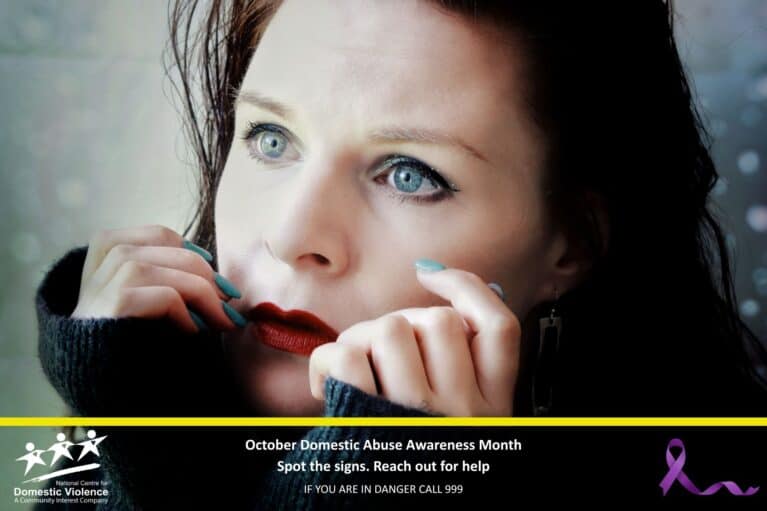
An individual who appears to have social power may still experience:
- Emotional or psychological control
- Financial dependency
- Fear, manipulation, or coercion
This is why domestic abuse cannot be explained by a single framework alone.
Why This Matters
Understanding power dynamics in this way helps us to:
- Recognise that abuse is about control, not identity
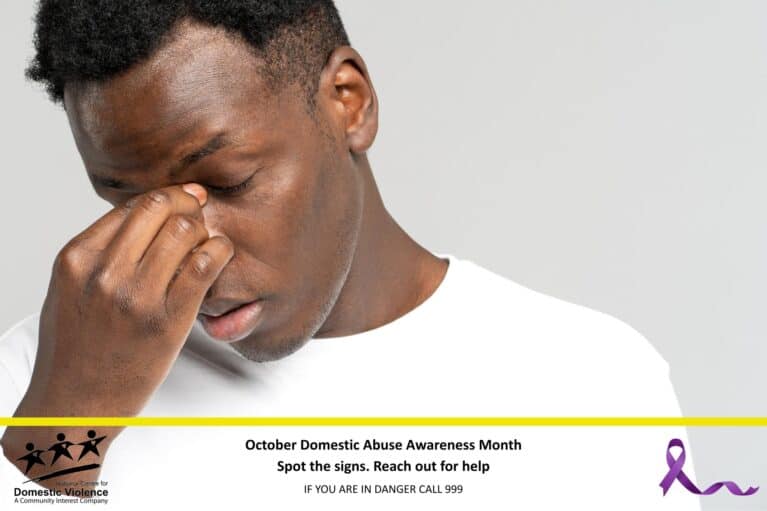
- Avoid oversimplifying who can be a victim
- Create more inclusive and effective support systems
It also helps explain why some victims (particularly those who do not fit traditional narratives) may struggle to identify or report abuse.
Final Thoughts
Power structures are shaped by history, culture, and human behaviour. They are largely socially constructed but deeply embedded, both in our systems and in our beliefs.
Domestic abuse sits within this context, but it ultimately plays out on a personal level, where power can shift, change, and be misused in complex ways.
Understanding this is key to moving beyond assumptions and towards a response that recognises and supports all victims, in all their realities.