World Cup 2026: Enjoy the football – but make good choices

The World Cup is here.
It will give many of us an opportunity to meet up with friends, cheer on our teams, enjoy a few drinks, and share the highs and lows that come with international football. For most of us, it will be a chance to have fun and enjoy some top-level football.
But not everyone experiences football in the same way.
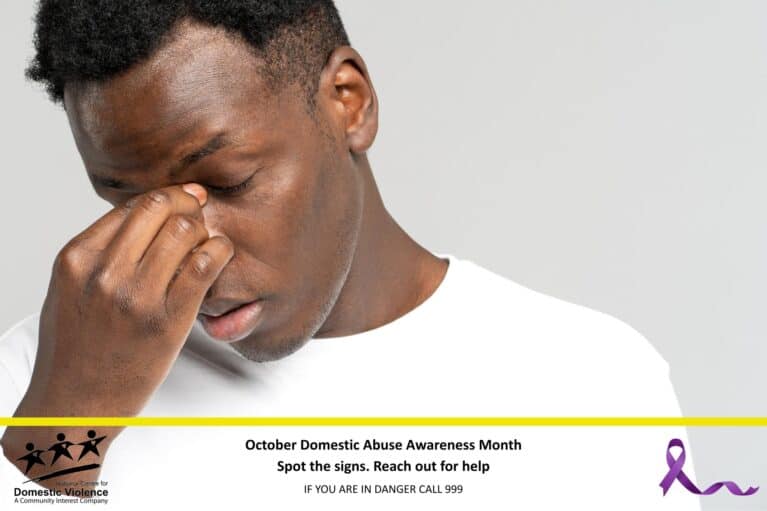
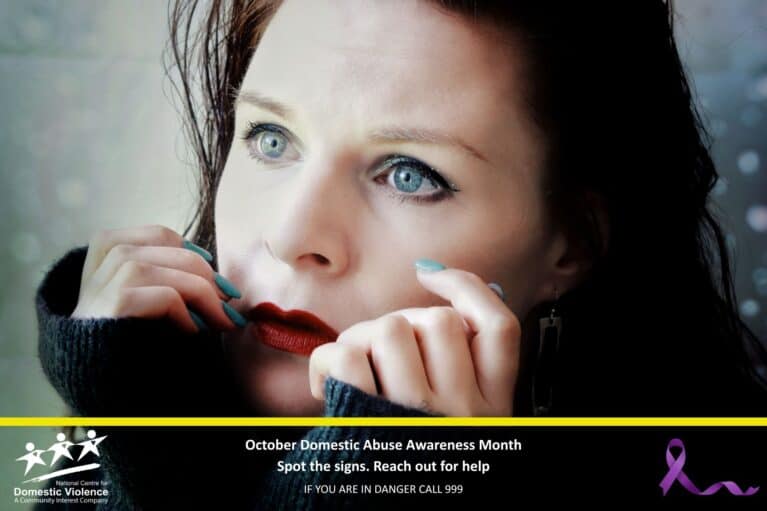
Every major football tournament brings renewed conversations about domestic abuse. Police forces, domestic abuse organisations and safeguarding professionals often prepare awareness campaigns because reports of domestic abuse can increase around major football fixtures. The relationship between football and domestic abuse is sometimes presented as: England lose. Domestic abuse rises. But the reality is more nuanced. Recent research suggests that, in some studies, domestic abuse increased even more after victories and celebrations than after defeats. Alcohol use, longer drinking windows before and after matches, combined with an atmosphere of celebration and heightened emotion can lead to conflict at home and higher incidents of abuse.
What researchers are clear about, however, is this: Football is not the root cause of domestic abuse. Nor is alcohol. But if you know alcohol can make you more violent, controlling or aggressive, you have a responsibility to manage your drinking.
Domestic abuse and coercive control are described as patterns of behaviour rooted in power, control and choice. But alcohol use, particularly prolonged use, can be an aggravating factor, and increase the likelihood of abusive incidents in homes where domestic abuse is or has been present.
Major tournaments can create environments where existing risks are amplified. Heightened emotions, increased drinking, disrupted routines, financial pressures, relationship tensions and extended time together can all contribute to conflict and escalation.
Enjoy the football, but don’t let it cost you
Whether you’re watching at home, in the pub or at a friend’s house, there are some simple steps that can help keep things enjoyable for everyone.
Know your limits
If you’re drinking, think ahead. It’s easy for a few drinks to turn into a full day and evening of alcohol, particularly around weekend fixtures.
Think about tomorrow
Many World Cup fixtures this year take place in the evening. If you’re working the next day, make sure you’re fit for work, fit to drive and fit to make good decisions.
Keep arguments offside
Football sparks passion. Rivalries, disappointment and frustration are part of the game. Personal attacks, intimidation and aggression are not.
Look out for your mates
If a friend is becoming heavily intoxicated, aggressive or talking about “sorting things out” at home, step in. Sometimes a simple conversation can prevent a situation from escalating.
Remember who’s watching
Children often absorb far more than adults realise. For some families, match day isn’t just about football. How adults behave during moments of celebration, disappointment and conflict leaves a lasting impression.
A Simple Message
At NCDV, we want people to enjoy the World Cup. We want communities to come together and families to make positive memories. But we also want to remind everyone that no football result, no celebration, and no amount of alcohol ever excuses abusive behaviour.
Whether your team wins, loses or crashes out early:
- Domestic abuse is always a choice.
- There is never an excuse for abuse.
- Everyone deserves to feel safe at home.
Because when the nation celebrates, not everyone celebrates at home.
If you are affected by domestic abuse, please reach out for help and support:
- For an emergency injunction contact NCDV – 0800 970 2070 or Text “NCDV” to 60777
- National Domestic Abuse Helpline – 0808 2000 247
- Live Fear Free Helpline (Wales) – 0808 8010 800
- Men’s Advice Line – 0808 801 0327
- LGBTQ+ Domestic Abuse Helpline – 0800 999 5428
- Karma Nirvana (honour-based abuse) – 0800 5999 247
- Forced Marriage Unit – 020 7008 0151
If you are in immediate danger, call 999.