Breaking the Silence: Recognising Male Victims of Domestic Abuse
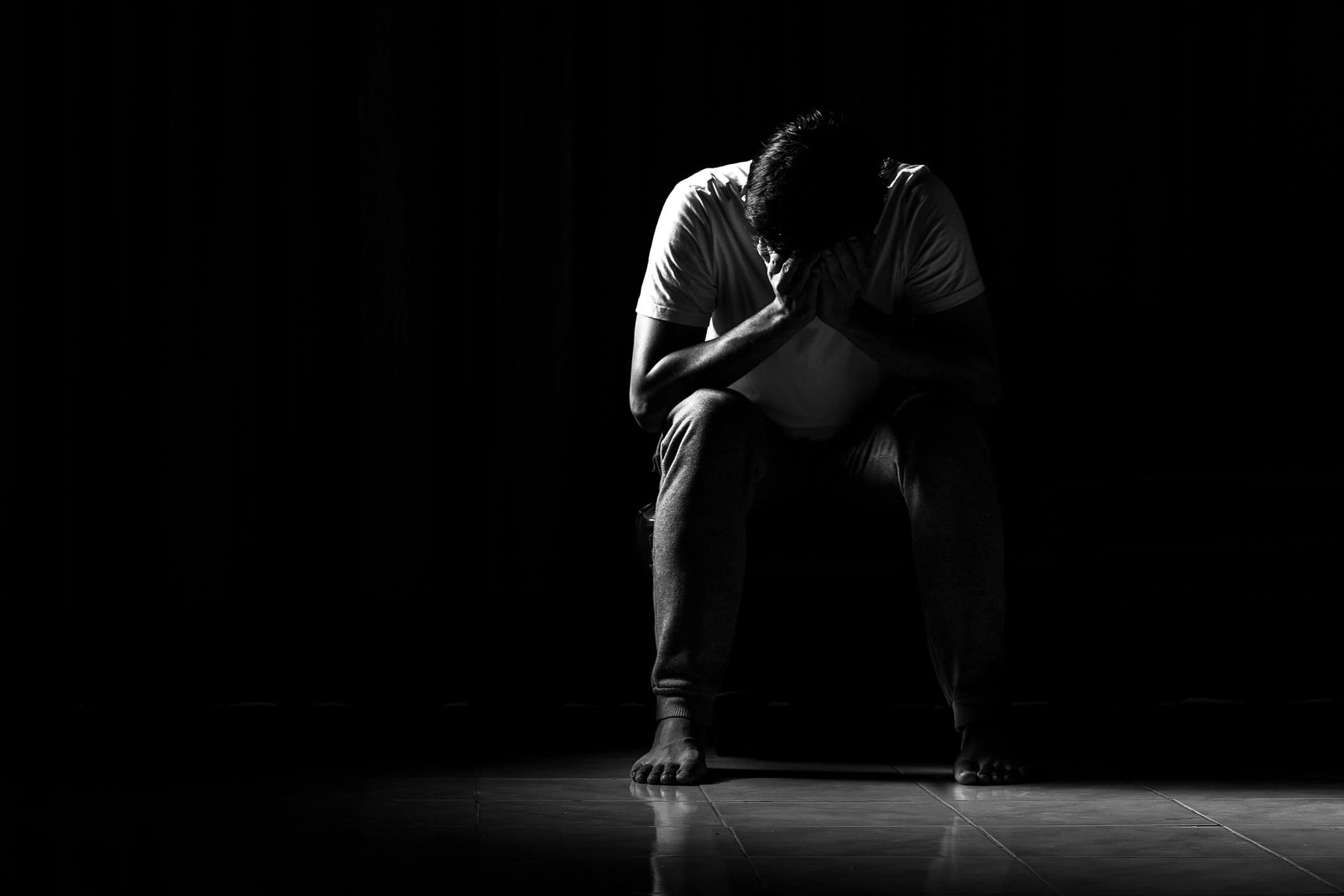
Male victims of domestic abuse are too often overlooked, misunderstood or expected to stay silent. Breaking the Cycle is a six-part series of blogs written by our Training Team Manager, Julia Gatie. In them she challenges the myths, explores the stigma men face, and reinforces one vital message: anyone can experience abuse, and everyone deserves support.
This initial blog which explores how we achieve greater recognition of men as victims in a society that has historically focussed on men as perpetrators.
Breaking the Silence: Recognising Male Victims of Domestic Abuse
Domestic abuse is often portrayed through a single lens, but the reality is far more complex. While women are disproportionately affected, men can and do experience domestic abuse too. Yet, despite the growing number of services for male victims who are doing a great job of raising awareness, men are frequently overlooked, misunderstood, or dismissed.
It’s time to bring these voices into the conversation.
The Hidden Reality
Male victims of domestic abuse exist across all backgrounds, ages, and professions. Abuse can take many forms; physical, emotional, psychological, sexual, or financial. However, societal expectations around masculinity often make it difficult for men to recognise or admit that what they are experiencing is abuse.
Phrases like “men should be strong” or “men can’t be victims” contribute to a culture of silence. As a result, many men endure abuse alone, feeling ashamed or fearing they won’t be believed.
Why Men Don’t Speak Out
There are several barriers that prevent male victims from seeking help:
- Stigma and shame: Admitting victimhood can feel like a loss of identity or masculinity.
- Fear of not being believed: Some men worry their experiences will be minimised or dismissed.
- Lack of awareness: Many are unaware that support services exist for male victims.
- Legal and custody concerns: Fear of losing access to children or being wrongly accused can discourage reporting.
- Emotional manipulation: Abusers may use guilt, threats, or humiliation to maintain control.
These barriers can create a powerful silence that keeps abuse hidden.
Recognising the Signs
Domestic abuse against men can be subtle and often goes unnoticed. Some common signs include:
- Being constantly criticised, belittled, or humiliated.
- Feeling controlled or isolated from friends and family.
- Experiencing threats or intimidation.
- Having finances restricted or monitored.
- Being physically harmed or threatened with harm.
- Feeling anxious, depressed, or fearful within the relationship.
It’s important to understand that abuse is not defined by gender, it is defined by patterns of control and harm.
The Impact on Mental Health
The emotional toll on male victims can be significant. Many experience:
- Anxiety and depression.
- Low self-esteem.
- Substance misuse as a coping mechanism.
- Suicidal thoughts.
Because men are statistically less likely to seek help for mental health issues, domestic abuse can intensify an already critical situation.
Changing the Narrative
Supporting male victims doesn’t take away from the support women need, it strengthens the overall response to domestic abuse. Recognising all victims helps create a more inclusive and effective support system.
We can all play a role by:
- Challenging stereotypes about masculinity.
- Listening without judgement.
- Promoting awareness of male support services.
- Encouraging open conversations.
Support Is Available
No one should feel alone in an abusive relationship. There are organisations specifically dedicated to supporting male victims, offering confidential advice, counselling, and practical help.
Reaching out can feel daunting, but it is a powerful first step toward safety and recovery.
Final Thoughts
Domestic abuse is not defined by gender. It is about power, control, and harm and can affect anyone.
By acknowledging male victims, we move closer to a world where everyone feels seen, supported, and safe enough to speak out.
National Services
If you are a man affected by domestic abuse, please reach out for help and support:
- For an emergency injunction contact NCDV – 0800 970 2070 or Text “NCDV” to 60777
- Men’s Advice Line – 0808 801 0327 https://mensadviceline.org.uk/
- Mankind Initiative – 0808 800 1170 https://mankind.org.uk/
- Live Fear Free Helpline (Wales) – 0808 8010 800 https://www.gov.wales/live-fear-free
- LGBTQ+ Domestic Abuse Helpline – 0800 999 5428 https://www.galop.org.uk/helpline
If you are in immediate danger, call 999.