Is it even abuse?
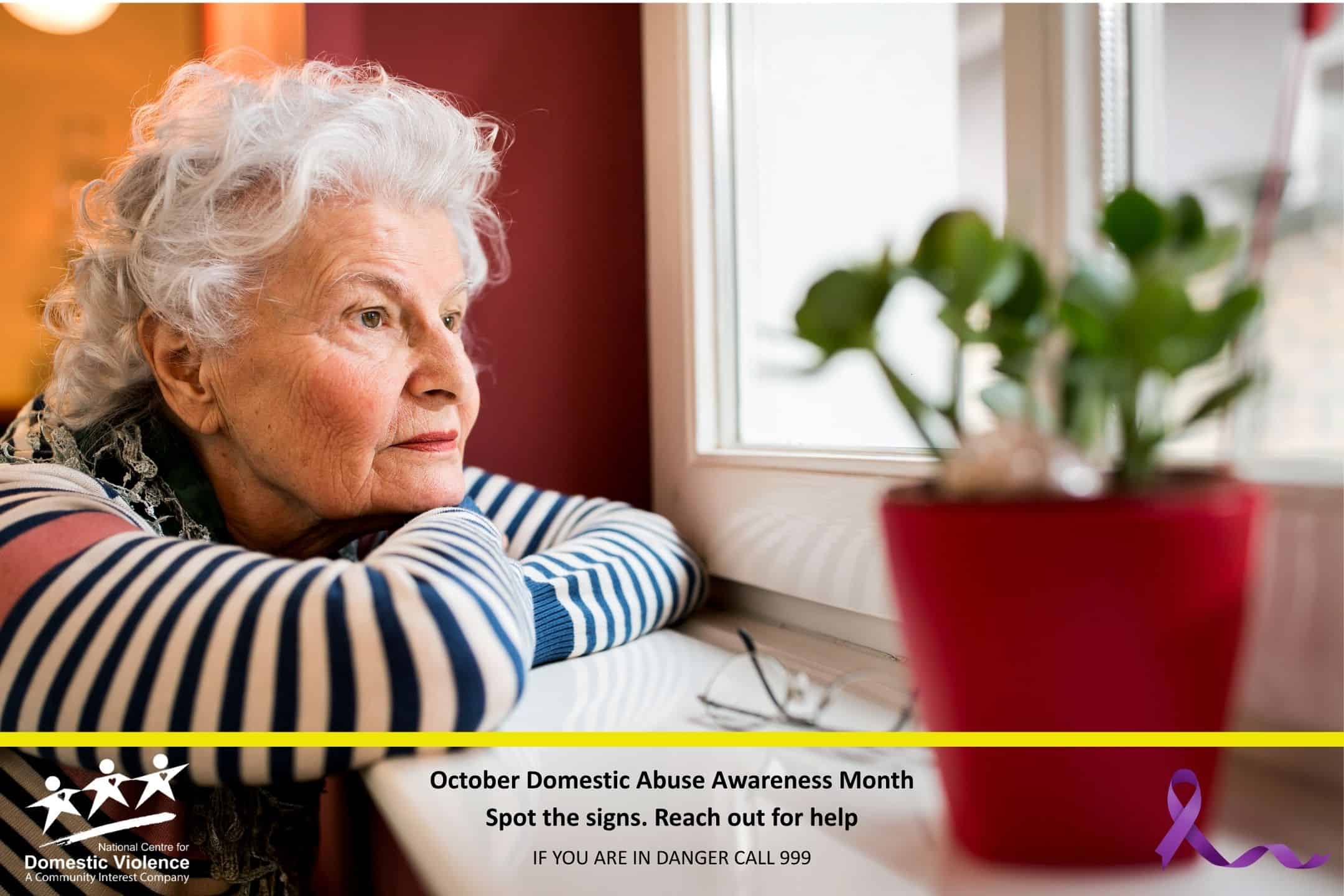
October is Domestic Abuse Awareness Month, which is a good time to consider why it can be so hard to accept that the partner you love and adore may actually be abusive. They’re thoughtful. They’re attentive. They know your favourite things. They can be incredibly kind. Is it really abuse?
They’ve told you about their difficult childhood, their past relationships, their struggles with anger or jealousy. They’ve explained where some of their behaviours come from. And when they get it wrong, they admit it. They apologise. They can be genuinely sorry. They promise they’ll do better. Sometimes, they do.
So perhaps you’re asking yourself: Is this really abuse? Are relationships just difficult sometimes? Do they just need someone to believe in them? Maybe if you are patient enough, understanding enough, loving enough, things will change.
These dilemmas are incredibly common.
And they can make it very difficult to recognise abuse, particularly when the person hurting you is also the person who can make you feel loved, understood and incredibly special.
They don’t have to be horrible all of the time
This is one of the most confusing things about abusive relationships. If someone was cruel, frightening and controlling every minute of every day, recognising the problem would be easier. But that’s not necessarily what abuse looks like.
There can be magical times.
There can be laughter.
There can be affection, intimacy and kindness.
There can be thoughtful gestures and heartfelt conversations.
There can be apologies that seem completely sincere.
There can be periods when everything feels normal again.
And that can leave you questioning yourself.
Maybe I overreacted.
Maybe I misunderstood.
Maybe it wasn’t really that bad.
Whatever that was about, it appears to be over now.
We’ve worked through that now. Look how lovely they are today.
But a relationship isn’t defined only by its best moments. It’s also defined by how problems are handled, including stress, jealousy, insecurity, or issues around money or housing. Someone’s ability to be loving does not cancel out behaviour that makes you frightened, sad, controlled, humiliated or unsafe.
They admit what they’ve done wrong
Sometimes the person hurting you will be very open about their behaviour.
They might say:
“I know I have an anger problem.”
“I’ve been through a lot.”
“My childhood has affected me.”
“I don’t want to be like my father.”
“I know I shouldn’t have done that.”
“You deserve better.”
And perhaps they do understand. Perhaps they really are sorry. Perhaps their past experiences really have influenced the way they behave. All of those things can be true.
But understanding where behaviour comes from is not the same as making it acceptable. And it is not your responsibility to heal someone else by staying in a relationship that is hurting you. Their past may explain something. It does not excuse it.
But they want to change
This can be particularly difficult. Sometimes people really do genuinely want to change. But change isn’t a promise. It isn’t an apology. It isn’t a tearful conversation at two o’clock in the morning. It isn’t a few good weeks after a terrible argument.
Real change is demonstrated through sustained behaviour over time.
It means taking responsibility without blaming you.
It means respecting boundaries even when they don’t like them.
It means accepting that you are entitled to make your own decisions.
It means not punishing you for saying no.
It means not making you responsible for their emotions.
It means that the behaviour actually changes, not simply that the explanation for it becomes better.
And you do not have to stay and wait to find out whether that change will happen. If they really are so emotionally damaged that they cannot safely be in a relationship, they owe it to their partner and children to put the work in and make the necessary changes while allowing their loved ones to get on safely with their lives.
But I know the person they really are
Maybe you do.
Maybe the person you love is kind.
Maybe they are funny, generous, affectionate and supportive.
Maybe they have been there for you when you needed them.
Maybe you’ve seen them be vulnerable in ways that nobody else sees.
But people are complicated. Someone can be loving in some circumstances and controlling in others.
They can be generous and possessive.
They can be attentive and intimidating.
They can be sorry and still repeat the behaviour.
They can love you and still behave abusively towards you.
You don’t have to see them as a monster in order to recognise what is happening. And you don’t have to stop loving someone before you are allowed to seek help.

Look at the pattern, not just the moments
This is particularly important when we are thinking about coercive control. Ask yourself what has happened over the time you’ve been together.
Do you find yourself changing your behaviour to avoid their reaction?
Do you think carefully about what you wear, who you see, where you go or what you say?
Do you have to account for your time?
Do you feel guilty for spending money?
Are your friendships or relationships with family becoming more difficult?
Do you feel that you are constantly trying to keep the peace?
Do you find yourself apologising when you don’t think you’ve done anything wrong?
Are you frightened of what will happen if you disagree?
Do they monitor your phone, location, messages or social media?
Do they use the children, money, your home, your job or even a family pet to influence what you do?
And perhaps most importantly: Do you feel that your world is becoming smaller?
There may not be one dramatic incident that explains everything. There may be hundreds of small moments that, taken together, tell a very different story.
You don’t need to prove that it is “bad enough”
Sometimes people wait for something worse to happen before they allow themselves to call it abuse.
It hasn’t happened for a while.
They didn’t actually hit me.
They were drunk.
They were stressed.
They were going through a difficult time.
They said sorry.
They’ve promised it won’t happen again.
Other people have it much worse.
But you don’t need to win an argument about whether your experience meets somebody else’s definition of abuse before you deserve support. You don’t have to wait for a broken bone. You don’t have to wait until you are completely isolated. You don’t have to wait until someone else tells you that what is happening is serious.
If something in your relationship is making you frightened, controlled, humiliated or unable to live your life freely, you are allowed to take that seriously.
And what about believing in them?
Perhaps the hardest question is this: If I really love them, shouldn’t I believe they can change?
You can believe that someone has the capacity to change.
You can understand their past.
You can have compassion for what they have experienced.
You can recognise their good qualities.
You can hope that they get help.
And you can still decide that their behaviour towards you is not acceptable.
Those things can exist together. You are not cruel for having boundaries. You are not disloyal for asking for help. You are not responsible for proving that someone is capable of change by remaining available to them.
And you don’t have to make a decision about the entire future of your relationship today. Sometimes the first step is simply talking to someone who can help you make sense of what is happening.
Maybe the question isn’t “Are they abusive?”
Sometimes we get stuck trying to answer the biggest question: Is my partner an abuser?
That can feel enormous. Instead, perhaps start somewhere smaller.
How do I feel in this relationship?
Do I feel safe?
Do I feel free to disagree?
Can I make my own choices?
Can I see the people I want to see?
Can I say no?
Am I becoming less like myself?
Am I changing my behaviour because I’m frightened of what will happen if I don’t?
You don’t need a label before you can ask for support. And you don’t need to hate someone before you can protect yourself. If something doesn’t feel right, you are allowed to talk about it.
You are allowed to be confused.
You are allowed to love someone and still recognise that their behaviour is hurting you.
And you are allowed to believe that someone could change without making their change your responsibility.
You don’t have to work out exactly what to call it before you reach out. Sometimes, the first step is simply telling someone what is happening. And letting them help you make sense of it.